



Acid Reflux Symptoms Causes and Treatment
A burning feeling behind the breastbone after a late meal, an unpleasant sour taste in the mouth, or a cough that seems worse at night can all point to acid reflux. It is common and often manageable, but frequent symptoms should not simply be put up with. The right approach depends on how often reflux happens, what appears to trigger it and whether there are any warning signs that need medical assessment.
What is acid reflux?
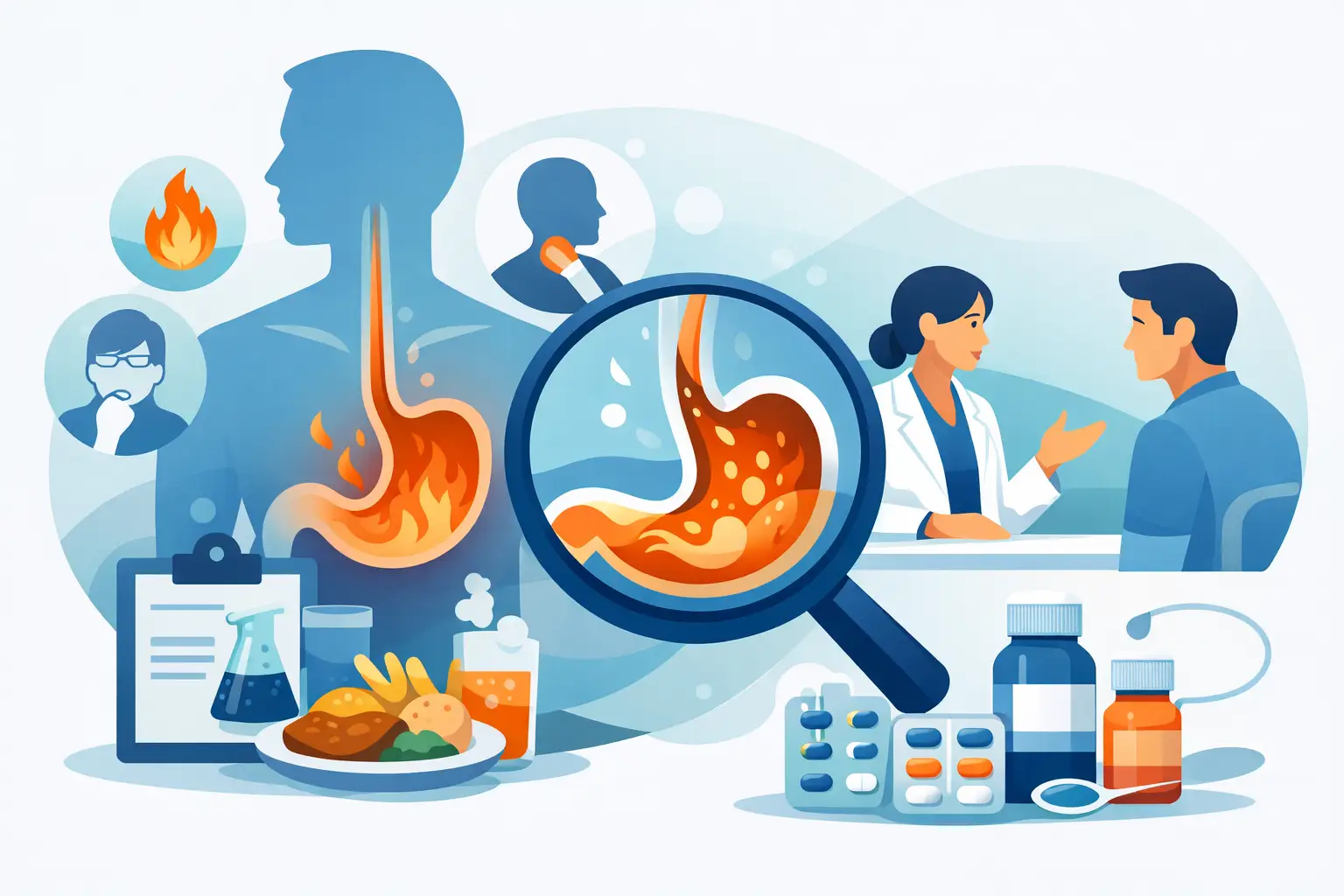
Acid reflux happens when stomach contents flow back up into the oesophagus, the tube that carries food from your mouth to your stomach. The stomach has a protective lining designed to cope with acid. The oesophagus does not, so repeated exposure can cause irritation and discomfort.
A ring of muscle at the lower end of the oesophagus usually helps keep stomach contents where they belong. If it relaxes at the wrong time, or pressure in the stomach increases, acid can travel upwards. When symptoms are frequent or persistent, this may be described as gastro-oesophageal reflux disease, often shortened to GORD.
Reflux is not always felt as classic heartburn. Some people mainly notice a bitter taste, hoarseness or a persistent throat-clearing sensation. Others find that symptoms interrupt sleep or make eating out feel stressful.
Common acid reflux symptoms
Heartburn is the most recognised symptom: a burning discomfort in the chest that may rise towards the throat, particularly after eating or when lying down. You may also experience regurgitation, where food or acidic liquid comes back into the mouth, bloating, nausea, burping or discomfort in the upper abdomen.
Symptoms outside the stomach can occur too. These include a dry cough, a sore throat, a raspy voice, bad breath or a feeling of a lump in the throat. These symptoms can have other causes, so it is worth speaking with a healthcare professional if they continue, especially if you do not also have obvious heartburn.
Chest pain should never automatically be assumed to be reflux. Heart-related pain can feel similar. Seek urgent medical help for sudden, severe or crushing chest pain, particularly if it comes with breathlessness, sweating, dizziness, pain spreading to the arm, jaw, neck or back, or a feeling of being unwell.
Why reflux happens
There is rarely one single cause. Large meals can stretch the stomach and make reflux more likely, while eating close to bedtime gives acid an easier opportunity to move upwards when you lie down. Rich or fatty foods may slow stomach emptying for some people.
Common triggers include spicy foods, chocolate, peppermint, tomatoes, citrus fruits, fizzy drinks, coffee and alcohol. However, these are not universal rules. A food that causes symptoms for one person may be perfectly comfortable for another. Keeping a brief note of meals and symptoms can help identify your own pattern without unnecessarily cutting out a wide range of foods.
Being overweight, smoking, pregnancy and a hiatus hernia can all increase the likelihood of reflux. Certain medicines may also contribute, including some anti-inflammatory painkillers and medicines that relax muscles. Do not stop a prescribed medicine without advice. A pharmacist or prescriber can help you consider whether a medicine could be playing a part and what alternatives may be suitable.
Stress does not directly create stomach acid, but it can make symptoms feel more noticeable and may affect eating habits, sleep and digestion. For some people, reflux becomes worse during particularly busy or anxious periods.
Practical ways to reduce reflux
Small, realistic adjustments can make a meaningful difference. Try eating smaller meals and leaving around three hours between your evening meal and going to bed. If night-time symptoms are a problem, raising the head end of the bed can help. Extra pillows alone may not be as effective, as they can leave you bent at the waist and increase pressure on the stomach.
It can also help to avoid tight clothing around the abdomen and to stay upright after eating. If you smoke, stopping can improve reflux as well as benefiting your wider health. Reducing alcohol, coffee or trigger foods may be worthwhile if you can clearly see a connection, but restrictive diets are not needed unless they genuinely improve your symptoms.
Weight loss can reduce reflux for people who are carrying excess weight, though it should be approached gradually and safely. Crash diets, skipping meals and very restrictive eating plans can sometimes make digestive symptoms harder to manage.
Treatments for acid reflux
The best treatment depends on the severity and frequency of your symptoms. Occasional mild reflux may respond to simple pharmacy treatments and lifestyle changes. More regular symptoms may need a longer course of treatment or a clinical review.
Antacids work by neutralising acid already in the stomach and can provide short-term relief. Some products also contain an alginate, which forms a protective layer that helps stop stomach contents moving back into the oesophagus. These can be useful after meals and before bed, depending on the product instructions.
Acid-suppressing medicines reduce how much acid the stomach produces. Proton pump inhibitors, often called PPIs, are commonly used for frequent reflux, while H2 blockers may be suitable in some situations. These medicines can be very effective, but the correct choice and duration matter. Persistent symptoms should be assessed rather than repeatedly self-treated for long periods.
Tell a pharmacist, doctor or prescriber about other medicines you take, as antacids and acid-suppressing treatments can affect how some medicines are absorbed. This is particularly relevant if you take regular treatment for another condition, are pregnant or breastfeeding, or have ongoing health concerns.
Your Chemists offers a private, straightforward route to advice and treatment for suitable adults. Where treatment requires a prescription, an online consultation allows a qualified prescriber to review whether it is appropriate before any medicine is supplied.
When to seek medical advice
Arrange a medical assessment if reflux happens most days, keeps returning despite treatment, wakes you regularly at night or affects your ability to eat normally. A clinician may consider your symptoms, current medicines and medical history, then advise whether further investigation or a different treatment is needed.
Seek prompt medical advice if you have any of the following:
- difficulty swallowing, pain when swallowing or food feeling as though it sticks
- unexplained weight loss, ongoing loss of appetite or repeated vomiting
- vomiting blood, passing black stools or signs of bleeding
- symptoms that begin later in life, become rapidly worse or do not improve with appropriate treatment
These symptoms do not always mean there is a serious cause, but they should be checked. Reflux can sometimes inflame the oesophagus, and ongoing irritation needs proper attention.
A calmer way to manage symptoms
Acid reflux is often a condition of patterns rather than perfection. Notice when symptoms occur, make a few targeted changes and choose treatment that matches how often reflux affects you. If symptoms are frequent, severe or uncertain, getting professional advice early can provide reassurance and help you move towards more comfortable meals and better sleep.