




Are Online Consultations Confidential? What to Know
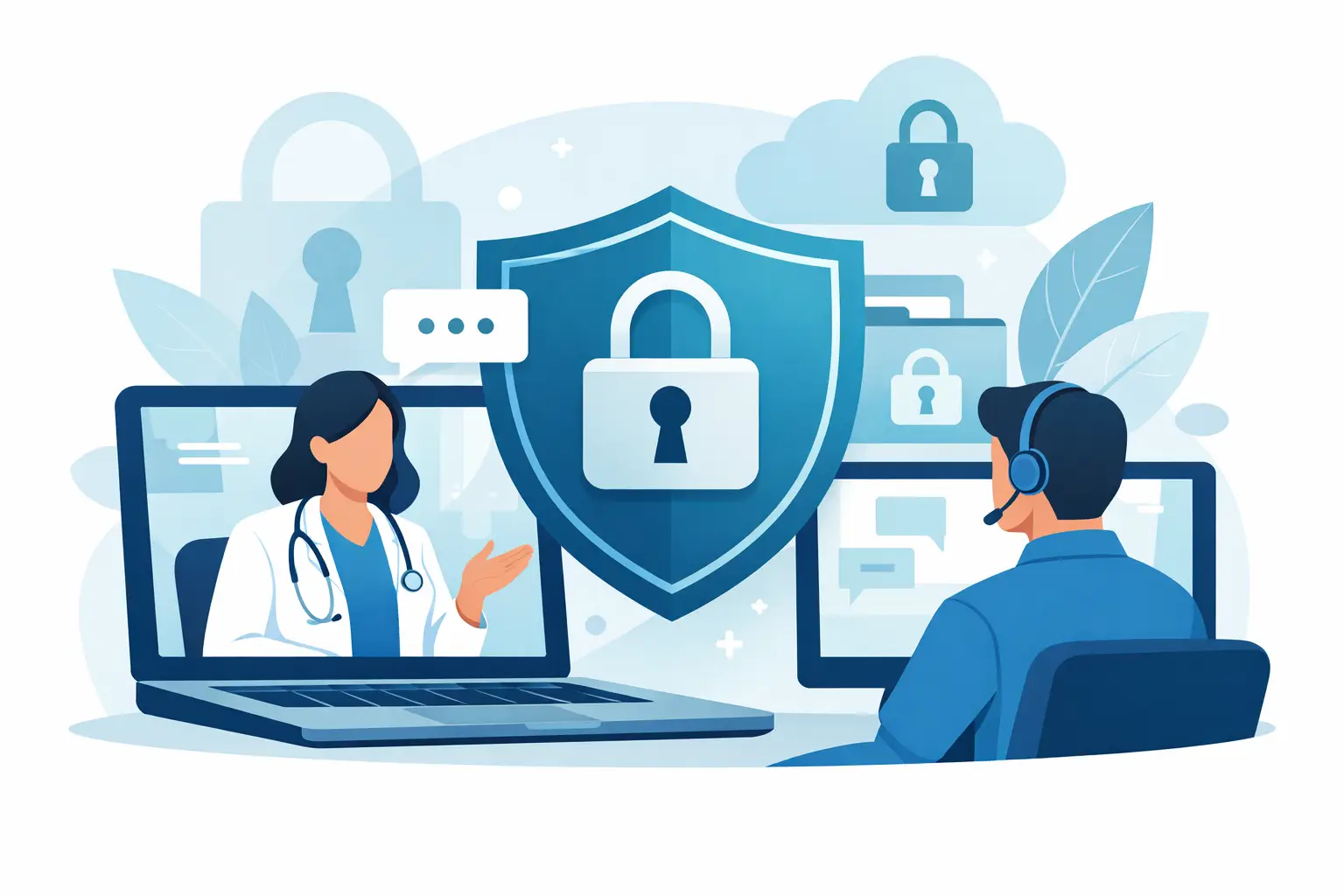
A consultation about erectile dysfunction, thrush, contraception, hair loss or a morning-after pill can feel deeply personal. It is understandable to pause before typing sensitive details into an online form and ask: are online consultations confidential?
With a legitimate, regulated healthcare provider, your consultation should be handled as private medical information. That means the answers you provide are used to assess whether treatment is appropriate, to support safe prescribing where applicable, and to manage your care. However, confidentiality is not just about a discreet-looking website. It depends on how the provider is regulated, how it stores data, who can access it and how carefully you use the service yourself.
Are online consultations confidential with a regulated provider?
Online consultations can be confidential when they are provided through a properly regulated healthcare service that follows UK data protection and professional standards. Your health information is sensitive personal data, so it requires a higher level of protection than ordinary account details or retail purchase history.
A clinician or pharmacist reviewing an online consultation has a professional duty to respect your privacy. They should only access information that is relevant to your care and should not share it casually with family members, employers or other third parties.
Confidentiality does have sensible limits. Healthcare professionals may need to share relevant information with another professional involved in your care, such as a prescriber or dispensing pharmacist. They may also be required to act if there is a serious safeguarding concern or a legal obligation. These situations are limited and should be handled according to clear professional and legal rules.
For most people using an online treatment service, the process is straightforward: you complete a private questionnaire, a qualified professional reviews it, and any suitable treatment is prepared and sent discreetly. Your answers are not visible to the public, other customers or people browsing the website.
What happens to the information you provide?
An online consultation is more than an order form. Questions about symptoms, existing conditions, allergies, current medicines and medical history help the clinical team decide whether a treatment is suitable and safe.
For example, someone seeking treatment for migraine may be asked about symptom patterns and other medicines they take. A consultation for weight loss treatment may require information about health history and current conditions. These questions can feel detailed, but they exist to reduce avoidable risks and make sure the right route to care is chosen.
Your consultation information may be used to:
- assess whether a medicine is appropriate for you
- check for potential safety issues, interactions or contraindications
- contact you if the clinical team needs clarification
- create an accurate record of the advice or treatment supplied
- meet legal, regulatory and pharmacy record-keeping requirements
A trustworthy provider should collect information for a clear healthcare purpose, not because it is convenient to gather as much data as possible. It should also explain how personal data is handled in its privacy information.
Confidential does not mean anonymous
It is useful to understand the difference between privacy and anonymity. Online healthcare services are designed to be discreet, but a regulated provider will normally need to know who you are. This helps the clinical team verify key details, assess your treatment safely and maintain the records required of a healthcare provider.
You may be asked for your name, date of birth, contact details and relevant medical information. In some cases, identity checks may also be needed. That can feel less private than buying a standard retail product, but it is an important safeguard when prescription medicines or clinically assessed treatments are involved.
The good news is that you can still avoid many of the awkward moments associated with seeking treatment in person. You can complete a consultation at a time that suits you, in a private setting, without discussing sensitive symptoms at a counter or in a waiting room.
How to check whether an online consultation service is trustworthy
Before sharing health details, take a few minutes to look beyond delivery promises and product prices. A credible online healthcare provider should make its professional credentials easy to find rather than hiding them in small print.
Look for clear information about the pharmacy business, including its registered premises details, the superintendent pharmacist and the professional team involved in reviewing consultations. In the UK, pharmacy regulation is a meaningful trust signal. It shows that the business is accountable for how medicines are supplied and how patients are supported.
You should also expect a clear privacy notice that explains what information is collected, why it is used, how long it may be retained and how you can contact the business with questions. Secure website connections matter too. Check that the website address begins with “https” and that your browser shows a padlock symbol before entering personal details.
Be cautious if a website offers prescription-only treatment without asking appropriate health questions, makes unrealistic promises, or gives no visible information about the pharmacy or clinical oversight. Fast access to treatment should never mean skipping the checks that protect patients.
Keeping your own consultation private
A regulated provider has responsibilities, but a few practical choices at your end can add another layer of privacy. Complete the consultation on your own device where possible, especially if you share a laptop, tablet or phone with others.
Choose a strong, unique password for your account and do not save it on a public or shared computer. Avoid completing a consultation on public Wi-Fi if you can, particularly in places where others may be able to see your screen. If you receive email or text updates, make sure notifications are set up in a way that feels comfortable for your household.
It is also worth checking the delivery details before placing an order. Discreet packaging can help protect your privacy, but delivery notifications may still appear on a shared device or email account. Use an address and contact method that you can access safely and privately.
Why the consultation process supports safer care
Some people worry that answering clinical questions online means giving away too much. In reality, the right questions are a sign that the service takes your health seriously. A pharmacy professional cannot make a safe decision about treatments for conditions such as cystitis, bacterial vaginosis, asthma, eczema or acid reflux without enough relevant information.
There is a balance to strike. You deserve a simple process that does not make you repeat unnecessary details, while the clinician needs enough context to identify when a medicine may not be right for you. Sometimes this means the team will ask follow-up questions, recommend an alternative option or advise that online treatment is not suitable on that occasion.
That may be disappointing when you need treatment quickly, but it is better than receiving a medicine that could be ineffective or unsafe. Convenience should make healthcare easier to access, not lower the standard of care.
Choosing privacy without putting off care
Sensitive health concerns are common, and there is no need to feel embarrassed about seeking help. Online consultations can give adults a more comfortable route to treatment for many everyday and personal conditions, particularly when time, work or family commitments make an in-person visit difficult.
At Yourchemists, the aim is to combine that discretion with the reassurance of regulated pharmacy care. A private consultation allows the clinical team to consider your needs, while delivery helps keep the process convenient from start to finish.
If you are unsure about sharing a particular detail, remember that accurate answers help the clinician protect you. Read the provider’s privacy information, use a secure personal device and choose a service that is open about its regulation and professional oversight. The right online consultation should feel private, clear and respectful – not rushed or uncertain.