




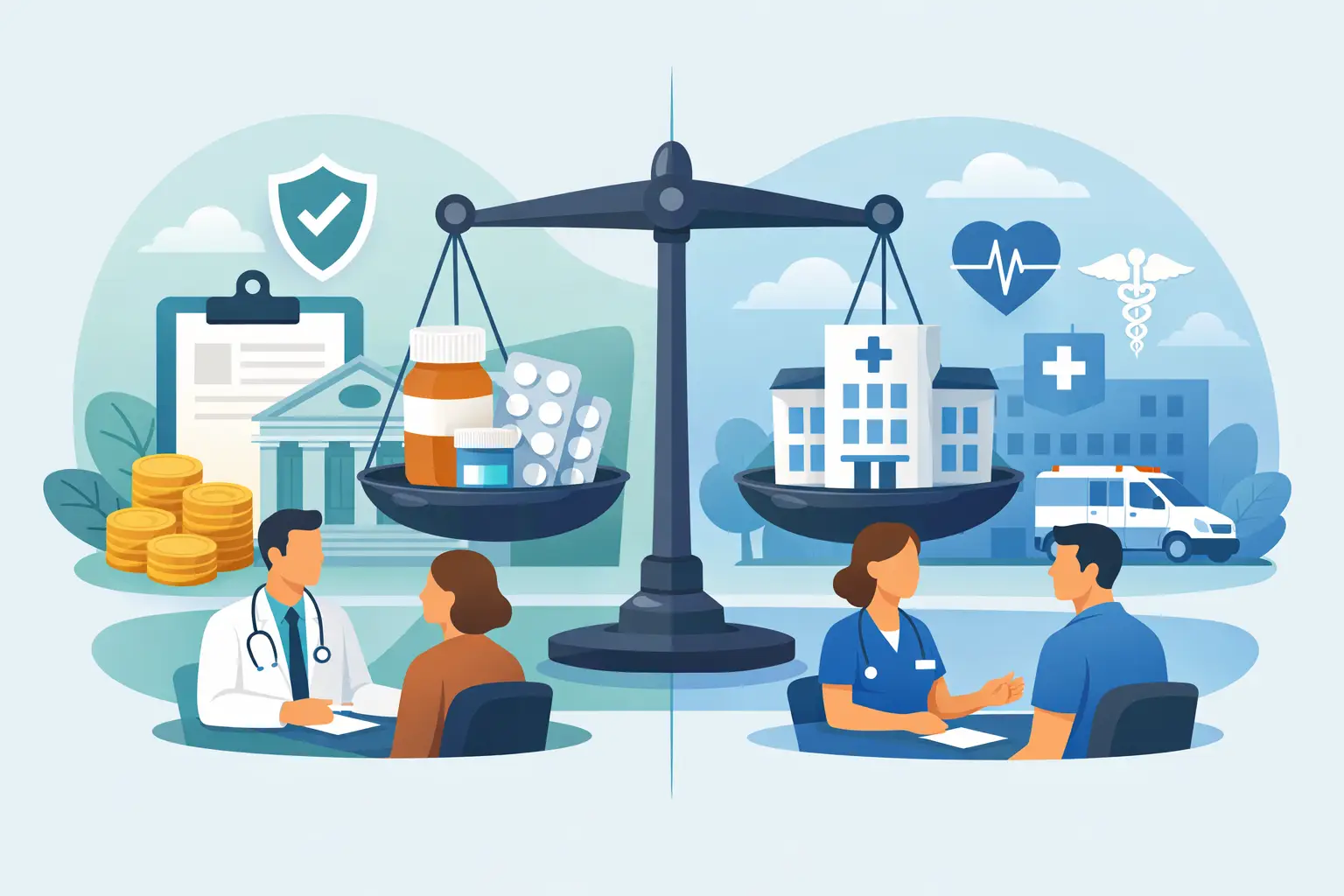
Private Prescription vs NHS: Key Differences
A search for private prescription vs nhs usually comes down to one practical question: how can you get appropriate treatment without adding unnecessary stress to an already uncomfortable health concern? For many routine or sensitive conditions, the answer depends on how quickly you need care, whether you value a remote consultation, and what you are comfortable paying.
Both routes have a place in UK healthcare. The right choice is not always the cheapest option or the fastest option. It is the route that gives you safe, clinically appropriate care at the time you need it.
Private prescription vs NHS: the practical difference
The NHS route usually begins with your GP practice or another local NHS service. It is designed to provide care based on clinical need, and it is often the right place for ongoing health concerns, complicated symptoms, long-term conditions, or problems that need an examination, tests or specialist input.
A private prescription is issued following a paid consultation with an appropriately qualified prescriber. With an online healthcare provider, this commonly starts with a confidential questionnaire about your symptoms, medical history, current medicines and relevant health information. A clinician reviews the details and decides whether treatment is safe and suitable.
If it is, the medicine can be supplied by a registered pharmacy. If it is not suitable, you may be advised to seek a different type of care. Paying for a consultation does not guarantee that a medicine will be prescribed. Clinical safety always comes first.
For people managing a familiar, uncomplicated issue such as cystitis symptoms, thrush, cold sores, migraine, acne, period delay or erectile dysfunction, a private online route can be a straightforward alternative when it is clinically appropriate. It may reduce the need to fit an appointment around work, childcare or travel.
Speed and convenience
The clearest difference is often access. GP practices work hard to prioritise urgent need, but demand can mean that appointments are not always available at a time that suits you. If your concern is non-urgent but still affecting your day, waiting can feel frustrating.
Private online care is built around flexibility. You can complete a consultation from home, at work or while travelling in the UK, without sitting in a waiting room or discussing a sensitive issue at reception. The form can be completed when it suits you, and a clinician can review it without the need for a face-to-face appointment in many cases.
Where treatment is approved, some providers can arrange prompt dispensing and delivery. This can be particularly useful for time-sensitive needs, including emergency contraception, period delay or treatments for conditions you have experienced before and can recognise.
Convenience should not override safety, however. New, severe or worsening symptoms need proper assessment. If you have chest pain, trouble breathing, signs of a serious allergic reaction, sudden weakness, severe abdominal pain, heavy bleeding, thoughts of self-harm, or any other emergency symptoms, seek urgent medical help rather than an online treatment service.
When an online consultation may not be enough
Online prescribing works best when the clinician has enough information to make a safe decision. It may not be suitable if your symptoms are unusual, you are pregnant or breastfeeding, you have significant medical conditions, or you take medicines that could interact with treatment.
The clinician may ask follow-up questions, decline the request or recommend that you contact your GP, an urgent care service or another healthcare professional. This is a sign of responsible care, not an unnecessary barrier.
Cost: what you are paying for
With private care, you normally pay for the medicine and, depending on the service, the consultation or prescribing assessment. Prices vary by treatment, dose, quantity and provider. Before proceeding, check what is included and whether delivery is charged.
This can make private treatment more expensive than using the NHS route. For some people, that will be the deciding factor. For others, the value is in being able to access a discreet consultation at a convenient time, without taking time off work or arranging childcare.
It is worth looking beyond the headline price. A lower medicine price is not always better if the provider does not make clear who reviews the consultation, how to contact its pharmacy team, or whether the pharmacy is properly regulated. Healthcare is not an area to choose on price alone.
A trustworthy provider should clearly explain the treatment cost, eligibility criteria, delivery options and what to do if you have questions or experience side effects. You should never feel pressured to buy a treatment that is not right for you.
Privacy and discretion
Sensitive health concerns can be difficult to talk about, even when there is no reason to feel embarrassed. Conditions involving sexual health, contraception, hair loss, facial hair, bacterial vaginosis or genital herpes can feel deeply personal. A private online consultation gives you space to provide information in your own words and in your own time.
That privacy is not about avoiding proper care. It is about making access feel more manageable. You still need to answer questions honestly, including details that may feel personal. Accurate information helps the prescriber assess whether a treatment is appropriate and identify any possible risks.
Discretion should also extend to delivery. Check that medicines are supplied in suitable packaging and that you know when to expect your order. If you live with others or cannot receive parcels safely, consider this before placing an order.
Choice and clinical suitability
A private prescriber may be able to offer a particular medicine, strength or treatment option that fits your needs, provided it is suitable for you. This can be helpful where you have used a treatment successfully before or have a clear preference after discussing the options.
Choice still has limits. Not every medicine is suitable for remote prescribing, and not every condition should be treated without an examination. A responsible clinician considers your symptoms, age, allergies, medical history, current medication and potential contraindications before making a decision.
For long-term conditions, it can also be helpful to consider continuity of care. Your GP may have a fuller picture of your health history, previous investigations and wider support needs. If you are starting a new medicine, experiencing recurring symptoms or finding that treatment is not working, a GP appointment may be the more appropriate next step.
How to choose a safe private provider
If you decide that private treatment suits your situation, take a few minutes to check the provider rather than simply choosing the first result you see. Look for clear evidence that the pharmacy is registered with the General Pharmaceutical Council, that prescribing is carried out by qualified professionals, and that a real pharmacy team can be contacted if you need help.
The consultation should ask meaningful clinical questions rather than simply taking payment. You should be able to read clear information about side effects, who should not use the medicine, and when to seek further medical advice. Be cautious of websites that promise treatment to everyone, offer prescription-only medicines with no assessment, or make claims that sound too good to be true.
At YourChemists, online consultations are reviewed with patient safety in mind, with pharmacy support available for straightforward treatment needs. The aim is to make access simpler, not to replace the care you need when symptoms require a fuller assessment.
Which route is right for you?
Choose the NHS route when your symptoms are complex, persistent, unexplained or potentially serious, or when you need an examination and ongoing support. It is also likely to be the better choice if cost is your main concern and your situation is not time-sensitive.
A private option may suit you when you have an uncomplicated concern, need discreet access, prefer an online consultation, or want to avoid delays that do not fit around your life. It can be particularly practical for treatments that are well suited to remote assessment, as long as you meet the clinical criteria.
The most helpful question is not simply whether private care is better. Ask whether it is safe, appropriate and worthwhile for your particular circumstances. When the answer is yes, a regulated online pharmacy can offer a calm, convenient route to treatment while keeping professional clinical judgement where it belongs: at the centre of the decision.