



When to Use Emergency Contraception After Sex
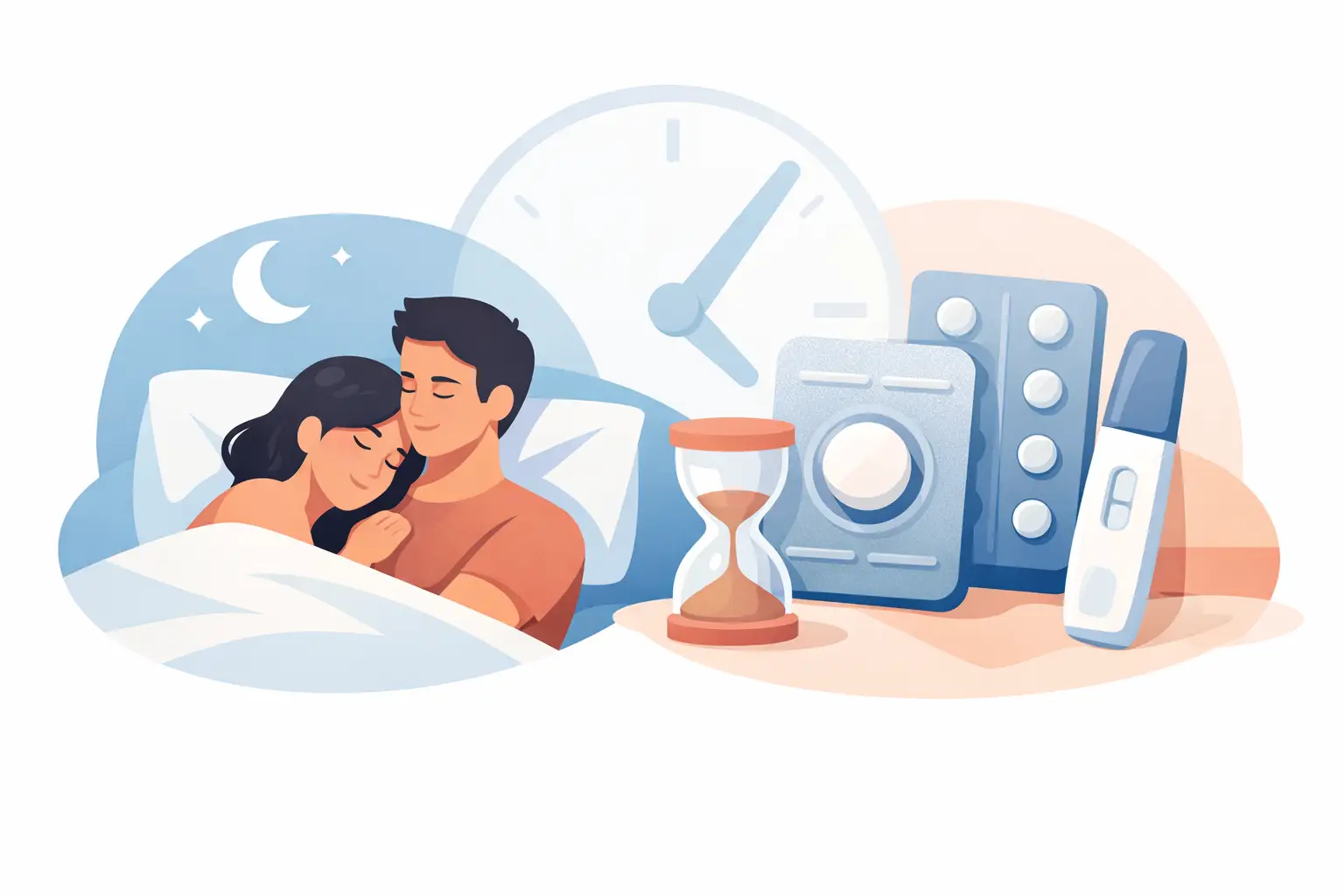
If you are wondering when to use emergency contraception, the simple answer is: use it as soon as possible after sex where pregnancy is a possibility. This could be after sex without contraception, a condom splitting or coming off, missed contraceptive pills, or a problem with another method. Acting quickly gives you more options and can make treatment more effective.
Emergency contraception is a time-sensitive treatment, not something to wait on while you decide whether your period will arrive. If you are unsure which option is suitable, speak to a pharmacist, sexual health clinic or doctor promptly. A regulated online pharmacy consultation may also help you access appropriate treatment discreetly where suitable.
When should you use emergency contraception?
Emergency contraception may be needed after vaginal sex if semen, or potentially semen-containing fluid, could have entered the vagina and your usual contraception was not used or may not have worked. It is designed for occasional emergencies rather than as a regular contraceptive method.
Common situations include having sex without using contraception, a condom breaking, slipping off or being used incorrectly, or forgetting to take your regular pill. It can also be appropriate if you have started a new contraceptive pack late, had vomiting or severe diarrhoea soon after taking a pill, or have had an issue with a patch, vaginal ring, injection, implant or coil.
Do not assume there is no risk simply because you think you were not fertile that day. Ovulation can vary from month to month, particularly if your periods are irregular, you have recently stopped hormonal contraception, or your routine has changed. A pharmacist or clinician can help assess the timing, but it is usually better to seek advice immediately rather than wait for certainty.
Emergency contraception options in the UK
There are two types of emergency contraceptive pill, as well as a copper intrauterine device, often called a copper coil. The best choice depends mainly on how long it has been since sex, where you are in your cycle, the medicines you take and whether you want ongoing contraception.
Levonorgestrel emergency pill
Levonorgestrel should be taken within 72 hours, or three days, of unprotected sex or contraceptive failure. It works best the sooner it is taken. It mainly works by delaying ovulation, meaning an egg is less likely to be released.
This option may be appropriate if you are within the three-day window and do not have factors that could reduce its effectiveness. It can usually be taken while breastfeeding and you can generally continue or restart your regular hormonal contraception straight away. You will still need to use condoms, or avoid sex, until your usual contraception is effective again.
Ulipristal acetate emergency pill
Ulipristal acetate can be taken up to 120 hours, or five days, after unprotected sex. It may be the preferred pill option later in that five-day window and can be more effective than levonorgestrel close to ovulation.
However, it does not suit everyone. Some medicines can affect how well it works, and you should not start or restart hormonal contraception for five days after taking it because hormones may reduce its effect. You will need to use condoms or avoid sex during that time and until your regular method becomes reliable again. A clinician can explain the right timing for your particular contraceptive method.
Copper intrauterine device
A copper intrauterine device is the most effective form of emergency contraception. It can usually be fitted within five days of unprotected sex, or up to five days after the earliest likely date of ovulation, depending on your cycle and clinical assessment.
It must be fitted by a trained healthcare professional, so it is not always the quickest practical option. But it has a major advantage: once fitted, it can continue to provide effective contraception for years if you choose to keep it. It is hormone-free, which may also matter for some people.
Do not wait until the next morning
The phrase “morning-after pill” can be misleading. You do not need to wait until the morning, and waiting can reduce the choices available to you. Emergency contraception can be used on the same day as sex, including within hours.
If you have had unprotected sex more than once in a cycle, tell the pharmacist or clinician. The right option may be different depending on the dates involved, whether you have already taken emergency contraception, and whether you have since had further unprotected sex. An emergency pill only addresses sex that happened before it was taken. It does not protect you from unprotected sex later in the cycle.
When pills may be less suitable or need extra advice
Some medicines and herbal remedies can make emergency contraceptive pills less effective. These include certain treatments for epilepsy, tuberculosis and HIV, as well as St John’s wort. Tell the prescriber or pharmacist about all medicines, supplements and remedies you use, even if they were bought without a prescription.
Weight and body mass index can also be part of the conversation. There is some evidence that emergency contraceptive pills may be less effective at higher weights, although this does not mean they will not work. A copper intrauterine device remains the most effective option regardless of body weight. Do not delay seeking help because you are worried about this – a clinician can advise on the most suitable approach.
If you vomit within three hours of taking an emergency contraceptive pill, you may need another dose. Contact the provider that supplied it, a pharmacist or a sexual health service as soon as possible for advice.
What emergency contraception does not do
Emergency contraception does not protect against sexually transmitted infections. If there is any possibility of exposure, consider arranging an STI test at the appropriate time, particularly if you do not know your partner’s status or the condom failed.
It also does not end an established pregnancy. Emergency contraceptive pills work by preventing or delaying ovulation and are not abortion medication. They will not harm an existing pregnancy, but you should seek medical advice if you think you may already be pregnant or have unusual symptoms.
Your next period may come a little earlier or later than expected after using emergency contraception. It may also be lighter, heavier or different from usual. These changes can be unsettling but are common.
Take a pregnancy test at the right time
Take a pregnancy test three weeks after the most recent unprotected sex, even if you have bleeding that seems like a period. Test sooner if your period is more than seven days late, much lighter than usual, or you have symptoms that make you think you could be pregnant.
Get urgent medical help if you have severe or one-sided lower abdominal pain, shoulder-tip pain, dizziness, fainting, or heavy bleeding alongside a possible pregnancy. These symptoms need prompt assessment.
If sex was not consensual
If sex happened without your consent, none of this is your fault. You can seek emergency contraception without having to make a report to the police. A sexual health service, urgent treatment centre, pharmacist or doctor can help with emergency contraception, support and advice about testing. If you are in immediate danger, call 999.
Planning for next time
Needing emergency contraception can happen to anyone. Once the immediate risk has been dealt with, consider whether your usual method still works for your lifestyle. A pill may suit some people, while others prefer a longer-acting option such as an implant, injection, coil or intrauterine system. Condoms remain useful alongside other methods because they also reduce the risk of STIs.
The key point is to act promptly and without embarrassment. The sooner you ask for advice after unprotected sex or a contraception failure, the more likely you are to have a suitable, effective option available.