



Pharmacy Advice for High Blood Pressure at Home
A blood pressure reading can feel like a number on a screen until it is higher than expected. Good pharmacy advice for high blood pressure helps you understand what that number may mean, how to take medicines safely and when you need prompt medical attention. It also gives you practical ways to make changes without feeling overwhelmed.
High blood pressure, also called hypertension, is common and often causes no obvious symptoms. That is why regular checks and taking treatment as advised matter, even when you feel well. A pharmacist can help you make sense of your medicines, your readings and everyday products that may affect your blood pressure.
Pharmacy advice for high blood pressure: start with accurate readings
One high reading does not always mean you have long-term high blood pressure. Stress, pain, exercise, caffeine, smoking and even talking during a check can temporarily raise it. What matters is the pattern over time, assessed by an appropriate healthcare professional.
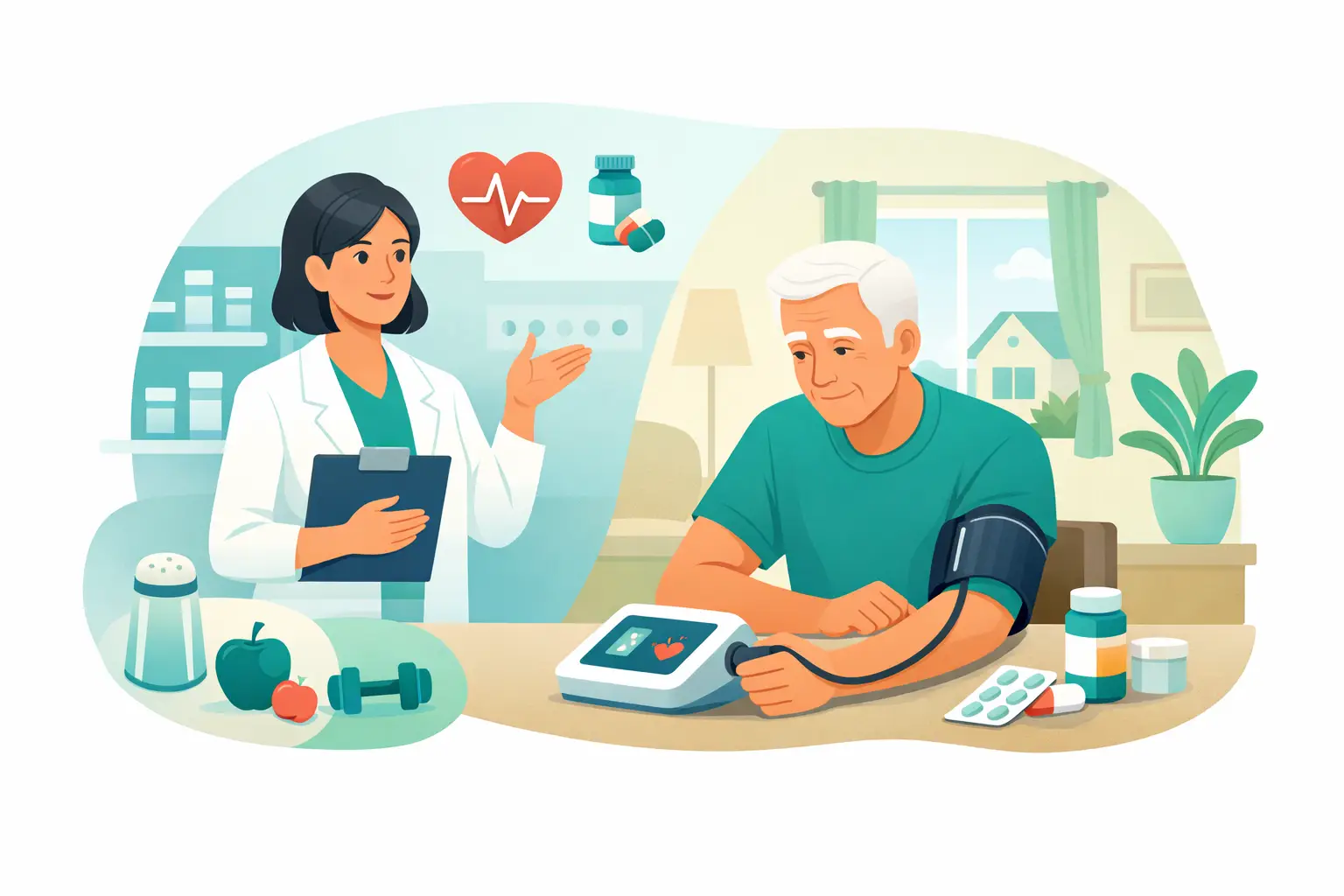
If you monitor your blood pressure at home, use a validated upper-arm monitor with a cuff that fits correctly. Sit quietly for five minutes beforehand, keep both feet on the floor and rest your arm on a table at heart level. Avoid caffeine, cigarettes and exercise for 30 minutes before checking if possible.
Take two readings, one minute apart, and write both down with the date and time. Checking at similar times each day makes the results more useful. Do not keep retesting because you are anxious about a result – this can make worry, and sometimes the reading, worse.
Home readings are often interpreted differently from readings taken in a clinic, so avoid diagnosing yourself from a single figure. Bring or share a clear record of your readings when speaking with a pharmacist, GP or other prescriber. Include any symptoms, recent medicine changes and details of your monitor if you can.
Take blood pressure medicines consistently
Blood pressure treatment works best when it is taken regularly. Medicines may include ACE inhibitors, angiotensin receptor blockers, calcium channel blockers, diuretics or beta blockers. The right option depends on your health, other medicines, age and how you respond to treatment.
Take your medicine at the time directed on the label. Linking it to an existing routine, such as brushing your teeth or having breakfast, can make missed doses less likely. A weekly dosette box or a mobile phone reminder can also help if you take several medicines.
Do not stop treatment because your readings have improved or because you feel fine. In many cases, improved readings show that the medicine is doing its job. Stopping suddenly can allow your blood pressure to rise again, and some medicines need particular care if they are being changed or stopped.
If you miss a dose, check the patient information leaflet or ask a pharmacist what to do. Do not take an extra dose unless a prescriber or pharmacist has specifically told you to. If side effects are troubling you, such as dizziness, ankle swelling, a persistent cough or needing to pass urine more often, seek advice rather than simply putting up with them. A change in dose or medicine may be possible.
Be open about every medicine and supplement
Some non-prescription products can raise blood pressure or interfere with treatment. This is one reason it is worth asking for advice before buying a remedy for a new symptom.
Anti-inflammatory painkillers such as ibuprofen and naproxen may raise blood pressure and can affect kidney function, particularly when used regularly or alongside certain blood pressure medicines. They are not automatically unsuitable for everyone, but they are not a casual choice if you have hypertension. Paracetamol may be a more appropriate option for some types of pain, although the cause and severity of the pain still matter.
Decongestants in cold and flu remedies can also increase blood pressure or cause palpitations. Check combination products carefully, as they may contain several active ingredients. Liquorice, including some herbal preparations and sweets eaten in large amounts, can affect blood pressure too. Tell a pharmacist about vitamins, herbal products and supplements, not just prescribed medicines.
Make changes that fit your real routine
Lifestyle changes are not a replacement for prescribed treatment unless your clinician says otherwise. They can, however, support your medicine and improve your wider heart health. The most useful approach is usually to choose one or two changes you can keep doing, rather than attempting a complete overhaul for a week.
Reducing salt is a sensible place to start. Much of the salt in UK diets comes from packaged foods, takeaways, sauces, cured meats, ready meals and savoury snacks rather than the salt shaker. Compare labels when shopping and look for lower-salt options where practical. You do not need to eat bland food – use herbs, spices, garlic, lemon or vinegar to add flavour.
Regular movement can help lower blood pressure over time. Brisk walking, cycling, swimming, gardening and active housework all count. Start at a level that feels manageable, especially if you have been inactive, and build up gradually. If exercise causes chest pain, severe breathlessness, faintness or unusual symptoms, stop and get medical advice.
Alcohol can push blood pressure up, particularly if you drink heavily or regularly. Keeping within the recommended UK low-risk drinking guidance and having alcohol-free days can make a difference. Smoking also damages blood vessels and greatly increases cardiovascular risk. Stopping can be difficult, but support and approved treatments can improve your chances of staying smoke-free.
Sleep and stress deserve attention too. Poor sleep, shift work, caring responsibilities and persistent worry can all make healthy habits harder to maintain. A short daily walk, a consistent bedtime routine or a few minutes away from screens may sound modest, but practical changes are more likely to last.
Know when high blood pressure needs urgent help
High blood pressure often has no symptoms, so symptoms alone are not a reliable way to judge it. However, a very high reading combined with feeling unwell should never be ignored.
Call 999 immediately if you have high blood pressure or a high reading alongside any of these symptoms:
- chest pain, pressure or tightness
- sudden weakness, numbness or a drooping face
- difficulty speaking, confusion or a sudden severe headache
- severe breathlessness, fainting or a major change in vision
If your reading is extremely high but you do not have these symptoms, sit quietly and repeat it after a few minutes. Seek urgent medical advice the same day if it remains very high, particularly if you are pregnant, have kidney disease, diabetes or a history of heart problems or stroke. A pharmacist can advise on the most appropriate next step, but emergency symptoms require emergency care.
Use your pharmacist as part of your support network
A pharmacist can be a useful first point of contact for straightforward questions about blood pressure medicines, side effects, missed doses and over-the-counter products. This can save time and help you avoid buying something unsuitable. For ongoing treatment decisions, persistently raised readings or new symptoms, you may need an assessment with a prescriber.
When asking for help, have your medicine names or packaging nearby. Mention allergies, other health conditions, pregnancy or plans for pregnancy, and anything you have recently started taking. Clear information allows safer, more tailored advice.
Yourchemists offers convenient access to regulated pharmacy support for many everyday health needs, with the reassurance of qualified professionals behind the service. For high blood pressure, the safest route is always one that combines convenient advice with regular monitoring and appropriate clinical review.
Small, consistent actions are more valuable than chasing a perfect routine. Keep a record, take your medicine as directed and ask early when something does not feel right – that is often the simplest way to stay in control of your blood pressure.